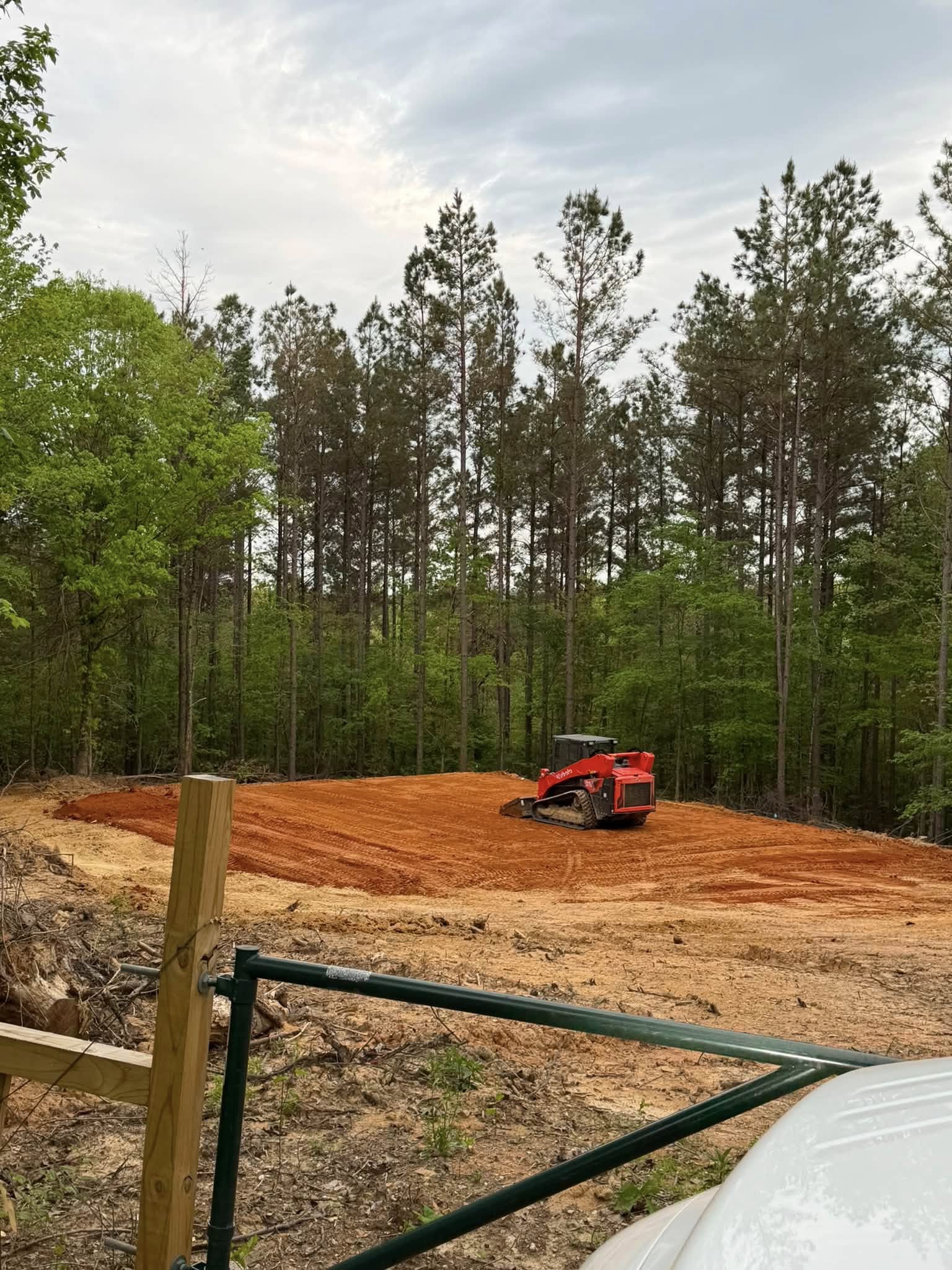
Building the Future: Sustainable Land Development Practices Aug 16, 2026
At the heart of sustainable land development is the thoughtful balance between meeting human needs and preserving the environment for future generations. With increasing awareness and demand from both communities and policymakers, it has become essential for excavation companies to adopt environmentally responsible practices. But what exactly does sustainable land development entail?
One of the foundational principles is minimizing environmental disruption. This involves careful planning and design to ensure minimal impact on existing ecosystems during the excavation phase. By conducting thorough environmental assessments before breaking ground, companies can identify potential ecological hazards and create strategies to mitigate these impacts. This may involve preserving natural landscapes, protecting water quality, and conserving local wildlife habitats.
Incorporating green technology and renewable resources is another key aspect. Ross Excavation & Land Development, for instance, utilizes energy-efficient machinery and invests in technology that reduces emissions. By leveraging solar power or using biofuels for equipment, these practices not only lower the carbon footprint but also reduce operational costs in the long run.
Water conservation is another crucial element. During excavation, significant amounts of water are often used for dust control and soil compaction. Implementing water-saving techniques such as capturing and reusing rainwater or using biodegradable polymers for dust suppression can greatly reduce water usage. These practices conserve vital resources and demonstrate a commitment to sustainability.
In addition to environmental considerations, sustainable land development must also factor in social sustainability. This means engaging with local communities throughout the project lifecycle, ensuring that their needs and concerns are addressed. By fostering transparent communication and collaboration, companies can build trust and support, leading to more successful and harmonious development projects.
Furthermore, sustainable land development incorporates innovative waste management strategies. Recycling and reusing materials from demolished sites, such as concrete and asphalt, not only minimizes landfill waste but also provides a cost-effective source of raw materials for new projects. This approach underscores the importance of the reduce, reuse, recycle principle, which is central to sustainable practices.
To ensure these sustainable strategies are effective, ongoing education and training for the workforce are imperative. At Ross Excavation & Land Development, we prioritize continuous learning, keeping up-to-date with the latest advancements in sustainable construction practices. This dedication to education empowers our team to implement the most cutting-edge methods, ultimately benefiting both clients and the environment.
In conclusion, sustainable land development practices offer a transformative path toward building a more resilient future. By balancing environmental protection with community needs and leveraging advanced technologies, companies in this industry can significantly reduce their ecological impact. At Ross Excavation & Land Development, we are committed to pioneering these practices, providing clients with high-quality services that align with a sustainable vision for tomorrow. Embracing these principles not only benefits the planet but also ensures the long-term success and viability of projects, making sustainable development a win-win for all stakeholders involved.
/filters:no_upscale()/filters:format(webp)/media/35a53fc6-fdb8-450c-abf9-715dcf76db25.jpeg)